
For a mother in Lincoln known here as Michelle, the realization came through a phone call from a probation officer. Her ten year old son, who had spiraled into gang activity and theft following the death of his father, needed serious psychiatric help that simply did not exist within Nebraska borders. To receive the court ordered treatment necessary for his recovery, the boy was sent to Wyoming. This separation left Michelle unable to protect or visit her child for five months, as she could not afford the travel costs or childcare for her other four children.
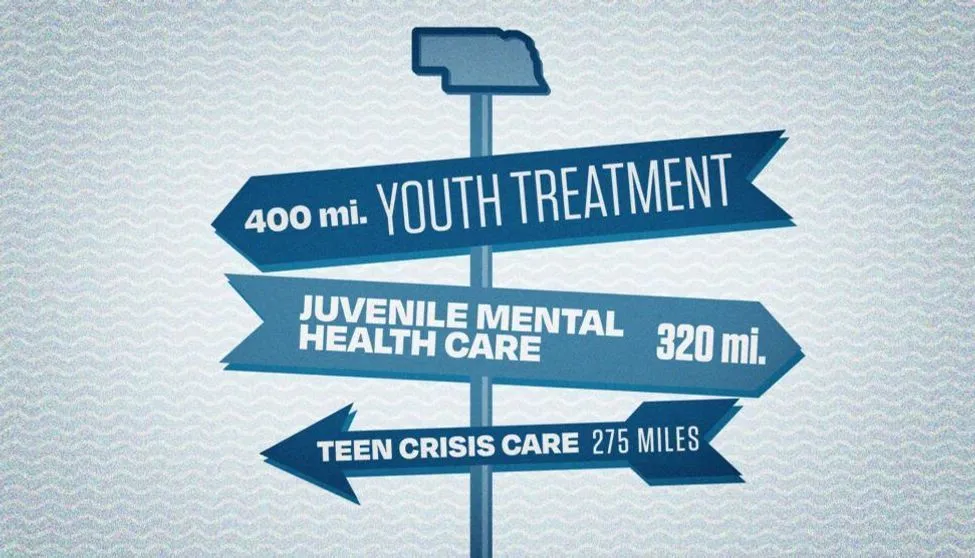
Michelle’s story reflects a systemic failure documented by the state’s Foster Care Review Office, which reports that more than half of children in the child welfare and juvenile justice systems requiring intensive mental health care are sent out of state. These children are shipped to facilities in places as far reaching as Massachusetts, Alabama, and Virginia because local options are either full or unavailable. While only representing about two percent of all children under state guardianship, these youths are among the most vulnerable, struggling with aggression, suicidal ideation, and extreme emotional distress.
State officials admit there is a critical lack of a continuum of care. While Nebraska has several inpatient facilities in Omaha and Lincoln, they often face grueling waitlists where system involved children must compete for beds against those with private insurance. Beyond high acuity hospitals, there is a disappearing infrastructure of less restrictive options like therapeutic foster care and residential centers. Without these middle ground steps, many children deteriorate until their only option is an institutional setting far from home.
The risks of this reliance on distant facilities were highlighted recently when Utah shut down the Provo Canyon School due to neglect and violence while it still housed Nebraska residents. Experts warn that shipping children across state lines can exacerbate trauma by creating feelings of abandonment and disconnecting youth from the very family support systems essential for healing. As administrators prepare to bring these failures before legislators this October, they argue that the spotlight on Nebraska’s dwindling resources has become impossible to ignore.