The Pennsylvania House of Representatives has narrowly approved a measure designed to fundamentally change how health and food safety are managed within the state’s jail and prison systems. Passing with a tight vote of 107 to 96, House Bill 2033 seeks to eliminate existing regulatory loopholes that have left many facilities operating under internal audits rather than external scrutiny. If the legislation clears the State Senate, it will end the practice of state correctional institutions policing their own kitchens.
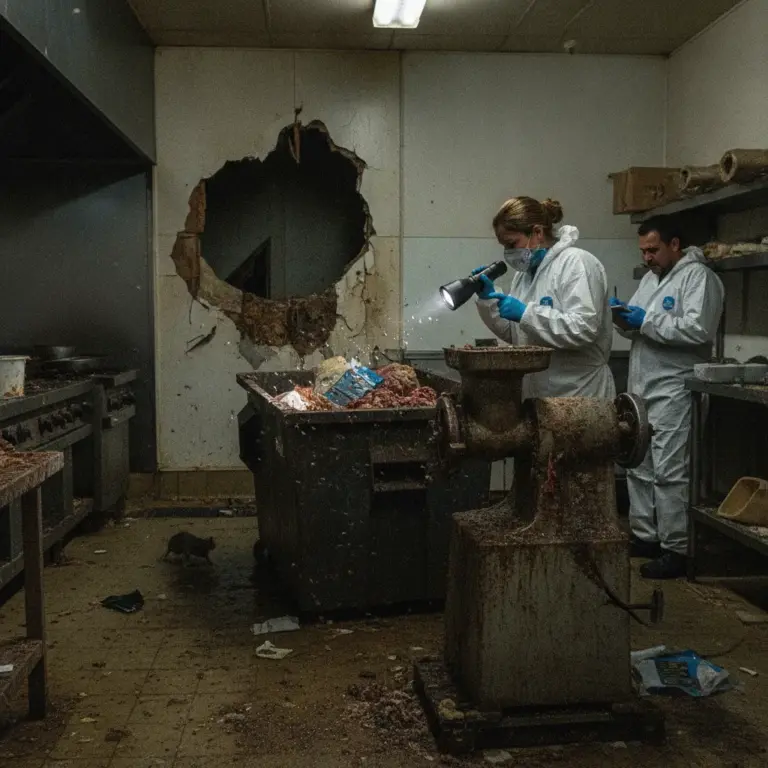
Under the proposed law, the Pennsylvania Department of Agriculture would take over oversight duties, ensuring that both state and county facilities meet mandatory sanitary baselines. These requirements include strict rules for food storage to prevent pests and spoilage, alongside mandated hygiene protocols. To ensure daily compliance, the bill requires that at least one certified food service supervisor remain on duty at all times during meal operations.
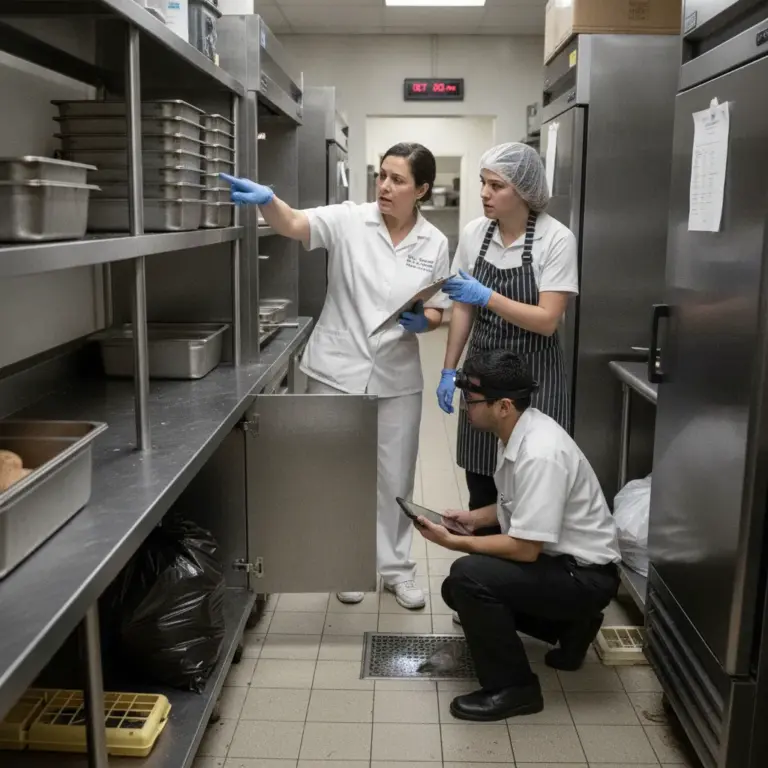
Transparency is a central pillar of the reform, as the Department of Agriculture would be empowered to conduct unannounced inspections and test drinking water supplies. Once completed, these inspection reports would be posted on a public website for anyone to review. In situations where hazardous conditions or foodborne illnesses are detected, agricultural officials would work in tandem with departments of health, environmental protection, and corrections to mitigate risks quickly.
Representative Nate Davidson, who introduced the bill, argued that basic public health standards should apply regardless of whether someone is behind bars. He emphasized that providing safe food and water is a matter of fundamental human decency and a legal responsibility when the government takes custody of an individual. Davidson also noted that these changes protect more than just inmates, benefiting the correction officers and support staff who rely on those same kitchens every day they report for work.