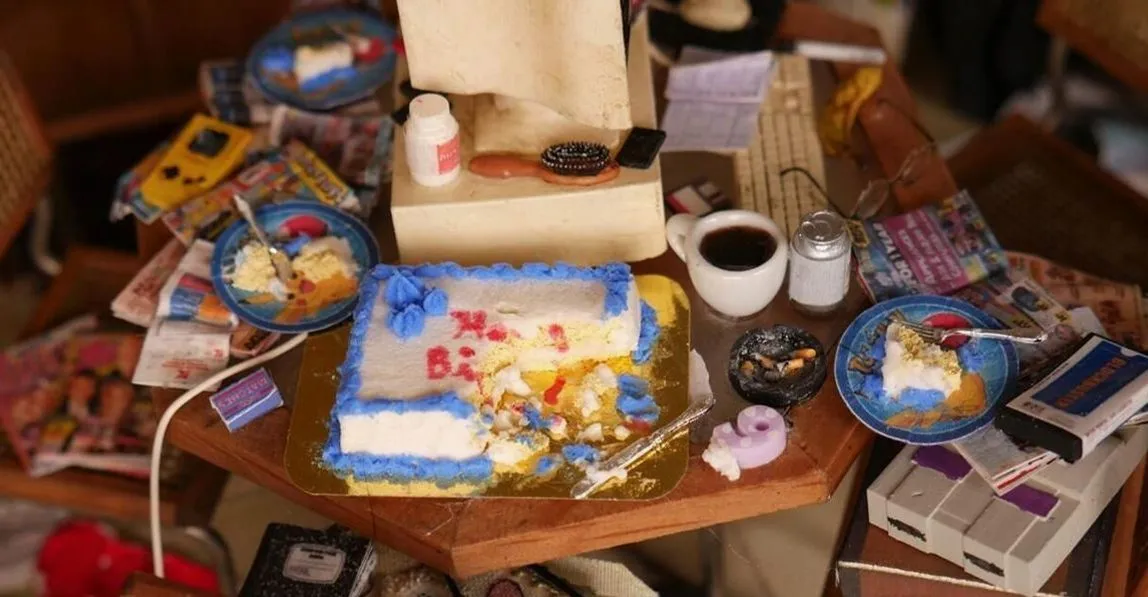
At the Mini Time Machine Museum of Miniatures, a new exhibit is challenging the notion that tiny models are reserved for whimsical fairy tales and dream homes. Award winning miniaturist Amanda Kelly has brought her series titled The Need to Keep to Tucson, offering a gritty and unflinching look at social isolation, anxiety, and hoarding. One of the most striking pieces takes a common minimalist phrase literally, depicting a miniature U Haul truck chained to a stationary coffin as a stark reminder that material possessions cannot follow us beyond the grave.
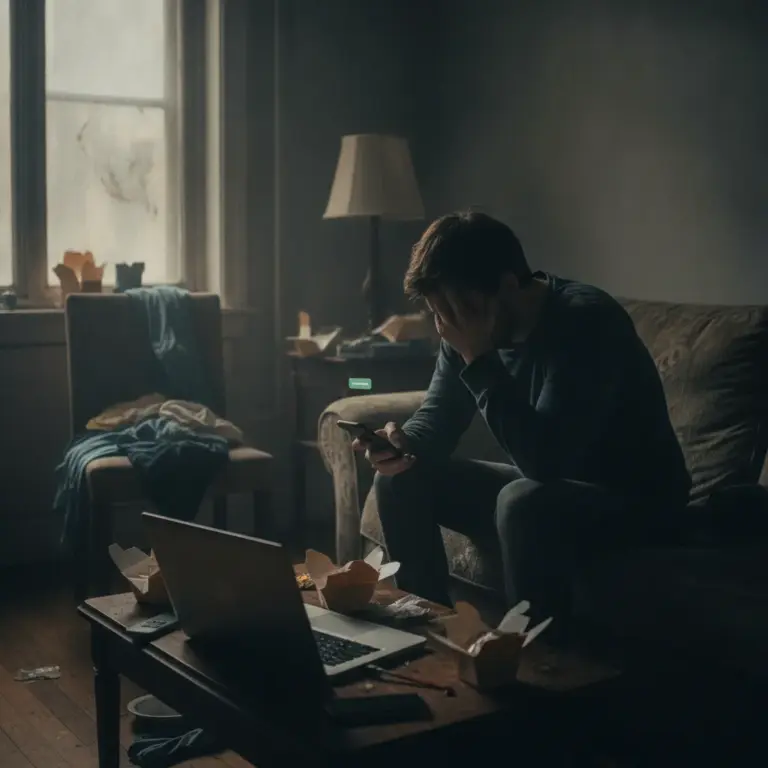
For Kelly, the project began as a graduate portfolio but evolved into a deeply personal exercise in catharsis. Having witnessed the struggles of hoarding within her own circle of family and friends, she found that recreating these cluttered environments allowed her to process her past. While many artists use miniatures for escapism, Kelly uses them to explore themes of overconsumption and mental illness. Her scenes avoid romance or polish instead featuring discarded couches, bathrooms strewn with cigarette butts, and porches swallowed by debris. Notably, there are no human figures present in any of the works leaving only the piles of belongings to tell the story of the people who owned them.
Museum curator Emily Wolverton noted that while miniatures often provide comfort through the creation of perfect worlds, they can also serve as powerful tools for navigating difficult subjects. By forcing viewers to peer through small windows or holes in walls to see inside these cramped spaces, Kelly creates an uncomfortable feeling of voyeurism that mirrors society’s fascination with hoarding culture seen in reality television. This is particularly evident in Goat Paths, a recreation of the infamous Collyer brothers home wrapped in archival New York Times clippings about their historic case.
Recognizing that the imagery may be triggering for some visitors, the museum has paired the exhibition with mental health resources and a space for guests to share their own personal stories regarding hoarding. Through this collaboration, both Kelly and Wolverton hope to demonstrate that miniatures can be more than just hobbies or curiosities. By shrinking these overwhelming living situations down to size, they create a manageable window into complex psychological battles that deserve empathy rather than judgment. The collection will remain on display until April 11 2027.